
India’s Steel Demand Is Growing 8–10%: What It Means for MSME Buyers
India’s appetite for steel is not slowing down. Finished steel consumption reached 84.9 million tonnes in April–September 2026, a growth of approximately 7.5% year-on-year and Tata Steel CEO T V Narendran expects demand to grow 8–10% in the second half of FY27 because “all the consuming sectors are quite strong.” For large mills, that is good news. For an MSME that buys steel in smaller lots, it raises a harder question: how do you buy well when everyone else is buying too?
Why Rising Demand Squeezes Smaller Buyers
Demand growth usually shows up in prices first. TMT prices rose 12.6% month-on-month in September, and anyone searching for the “steel price today India” will have noticed that the number changes every week and rapidly.
For a single fabrication unit, roofing contractor or small rolling mill, a few thousand rupees per tonne can decide the margin on an entire job. Large buyers on annual contracts tend to get first call on supply, while smaller buyers are left to chase steel suppliers one phone call at a time. That gap widens in a tight market.
Three Things MSME Buyers Should Do Now
1. Follow steel pricing trends India-wide, not one dealer’s rate. Regular checking of the TMT bar price India and HRC price India movements, while keeping an eye on steel market trends in general. A single rate will tell you very little in a rising market. A pattern tells you when to buy, and keeping a simple weekly log of the products, you use the most makes that pattern easy to spot.
2. Plan your bulk steel purchase cycle early. The demand generally picks up as construction and infrastructure work picks begin again after the monsoon season. Buyers who decide their volumes before the rush have more room to act than those who decide during it.
3. Check who is on the other side of the deal. Rising prices attract bad faith opportunists. Buy only from verified sellers, and prefer a platform where every payment is protected.
Buy Steel Online vs Offline: What Changes
The traditional route runs through local dealers and distributors, where the price you see depends on who you know. When people compare buy steel online vs offline, the real difference is price visibility.
TechESteel is a B2B steel marketplace where buyers can join live e-auctions with verified buyers and sellers. Instead of accepting one dealer’s figure, you bid in the open and see where the market actually clears. Every transaction carries NEML-backed payment, so both sides know the money is secure. Read more about why TechESteel works this way.
That makes it an online steel marketplace Indian MSMEs can use without a long-term contract or a large minimum commitment to a single supplier.
Which Products to Watch
The TechESteel marketplace covers three ranges, and each responds differently to rising demand:
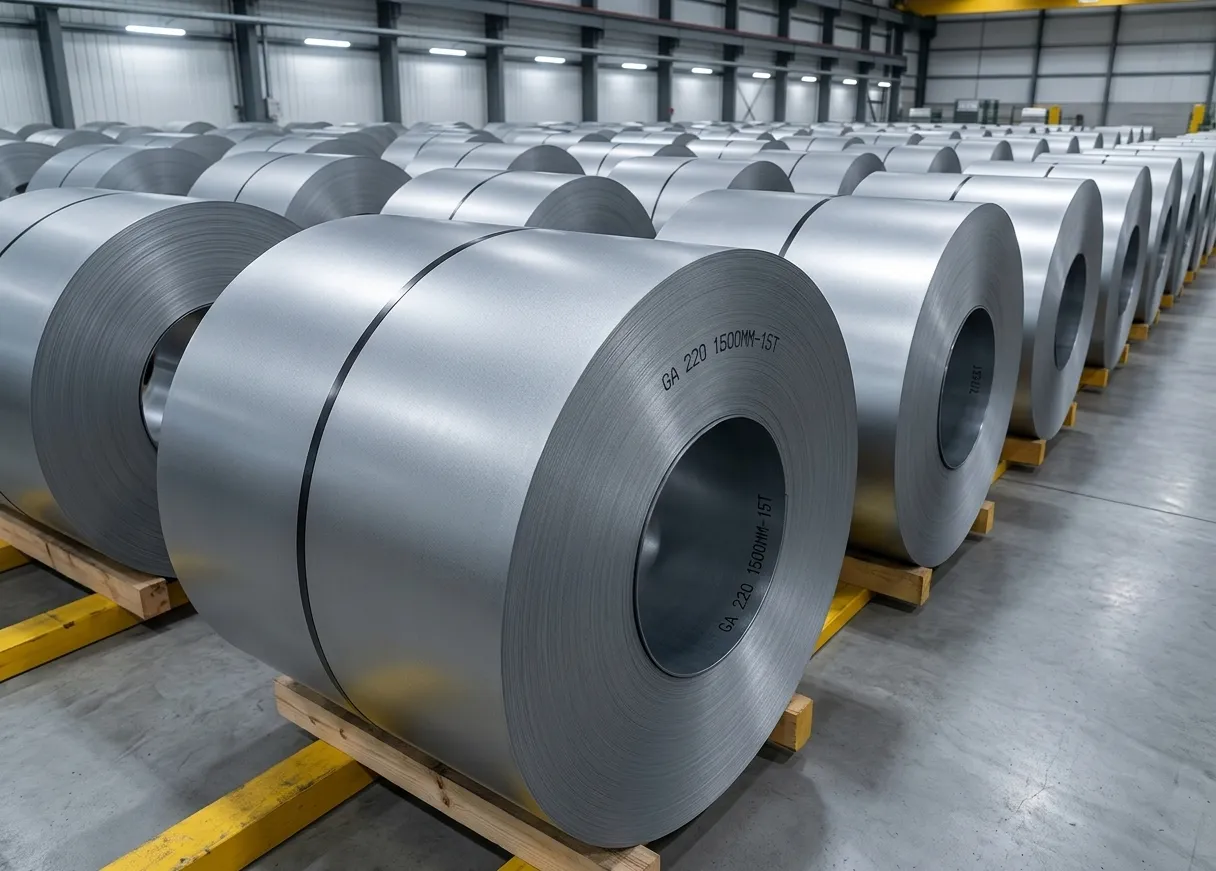
- Flat products: HR coil, CR coil and galvanised coil typically used in manufacturing and roofing activity.
- Long products: TMT bars, MS angle, MS channel and beams used in construction, so expect the sharpest price movement here.
- Steel scrap: Scrap demand rises with steel production as scrap is a key raw material for furnaces. Factory scrap sellers may see higher demand.
The Bottom Line
Steel demand growth of 8–10% is a strong signal for India’s economy, but it rewards the buyers who prepare well and in advance. Watch prices, plan volumes and buy where pricing is transparent. For MSMEs, a steel procurement platform built on open bidding is one of the few ways to stay competitive while the market runs hot.
You can browse TechESteel auctions right now to see how live bidding works, or become a member to take part. Prefer a walkthrough first? Request a demo.